Top Reasons Patients Choose Fotona Laser Treatments
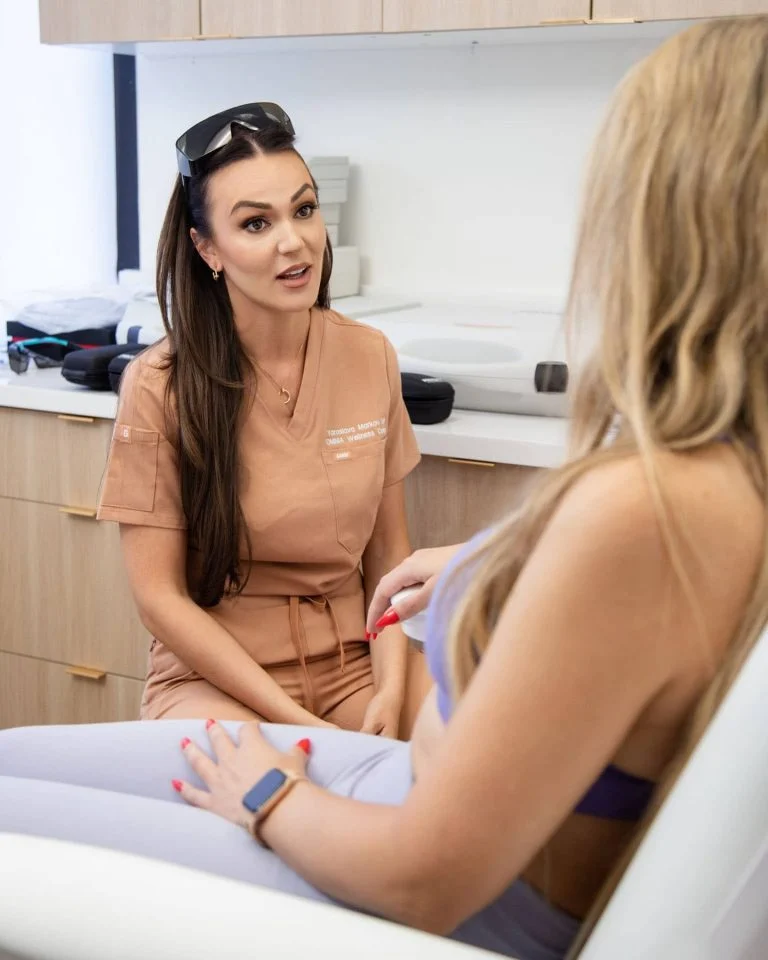
Patients rarely ask for a laser by brand name unless they have done their homework, talked to a friend who had a good result, or had a disappointing experience with something less versatile. That is what makes Fotona interesting. People do not usually come in saying they want "a laser." They ask for smoother skin, less redness, a firmer jawline, help with acne scars, relief from intimate health symptoms, or a treatment that fits into a busy schedule without obvious downtime. Over time, many end up choosing Fotona Laser Treatments because the platform can address a wide range of those concerns with a level of precision that is hard to match.
That popularity is not built on marketing language alone. It comes from the way these treatments perform in actual practice. When patients can treat vascular issues, pigment irregularity, textural problems, mild laxity, and certain gynecologic concerns using one well-established laser platform, decision-making becomes simpler. They are not trying to navigate six unrelated devices with six different recovery profiles. They are looking for a treatment plan that makes clinical sense, respects their time, and produces visible change.
The appeal starts with versatility
One of the most practical reasons patients choose Fotona Laser Treatments is that the platform is designed to do more than one job well. Fotona systems commonly use Nd:YAG and Er:YAG wavelengths, and each behaves differently in tissue. In a clinical setting, that matters far more than brand prestige. It means the provider can select a mode that targets deeper structures when tightening is the goal, or a more superficial effect when resurfacing and texture refinement are the priority.
From a patient’s point of view, versatility translates into fewer dead ends. Someone who originally books for acne scarring may also want to soften fine lines or improve enlarged pores. Another patient may come in for broken capillaries and later ask about skin tightening around the lower face. A platform that can adapt to multiple concerns often feels like a smarter investment, especially for patients who prefer long-term care rather than one-off cosmetic treatments.
This is also why many providers appreciate the system. It supports individualized treatment rather than forcing every concern into a single template. In real practice, skin rarely presents as one isolated issue. Texture, tone, elasticity, vascularity, and scarring often overlap. A device that lets the clinician build a layered approach tends to produce more satisfying outcomes.
Patients like options that do not all look the same
The phrase "laser treatment" can be misleading because it suggests a single experience. Fotona Laser Treatments are not one-size-fits-all. Some are designed as lunchtime procedures with minimal visible after-effects. Others are more intensive and involve several days of healing. Patients appreciate having this range because lifestyle matters almost as much as the result.
A corporate professional with daily video meetings may choose a gentler tightening series with mild redness that settles quickly. A teacher might schedule a stronger resurfacing session during a school break. A bride preparing months in advance may opt for progressive collagen stimulation rather than an aggressive peel-like recovery right before the wedding. The flexibility to match intensity with timing is a major reason people say yes.
That same flexibility helps patients who are treatment cautious. Many are interested in improvement but are not ready for surgery, injectable volume, or a long social downtime. They want to start with a method that feels controlled and gradual. Fotona often fits that mindset well because the treatment settings and protocols can be adjusted to a patient’s skin type, tolerance, and goals.
The non-surgical tightening category matters more than ever
Skin laxity is one of the most common reasons adults start exploring energy-based treatments. They notice softening along the jawline, a heavier look under the chin, crinkling around the eyes, or a general loss of firmness that makeup and skincare cannot address. Surgery remains the strongest option for significant sagging, but many patients are either not ready for that step or do not need it yet.
Fotona Laser Treatments attract these patients because they can support collagen remodeling without incisions. That distinction matters. People are often realistic enough to understand that a laser cannot produce the same lift as a facelift, but they still want visible refinement. In well-chosen patients with mild to moderate laxity, especially those in the early maintenance stage of aging, the improvement can be meaningful. The skin may look denser, slightly tighter, and more rested. The change is often subtle in a single glance, but noticeable over a series and highly appreciated by the patient who sees their own face every day.
There is also a psychological advantage to non-surgical tightening. Patients who feel hesitant about dramatic change often prefer treatments that preserve their facial identity. They want to look better, not different. Gradual collagen stimulation tends to align with that preference.
Downtime is often manageable, and that changes the decision
If you ask patients what keeps them from booking a procedure, downtime almost always makes the short list. Pain is a concern, cost is a concern, but visible recovery is often the deciding factor. Can they return to work? Will people ask questions? Can they wear sunscreen and go about normal life? Do they need to hide for a week?
One reason Fotona Laser Treatments continue to attract interest is that many protocols offer a favorable balance between effect and recovery. Not every treatment is no-downtime, and it is important to be honest about that. More intensive resurfacing can involve redness, swelling, dryness, and peeling. Still, the platform includes options that are gentler and easier to fit into normal routines. That creates a wider entry point.
In practice, I have seen this matter most for patients in their thirties through fifties who are juggling work, parenting, and social obligations. They are often willing to commit to multiple sessions if each one is tolerable and recovery is predictable. A treatment that leaves them pink for a day or two may feel entirely reasonable. A treatment that sidelines them for ten days may be a nonstarter, even if the end result could be stronger.
It can treat function as well as appearance
Aesthetic medicine gets most of the public attention, but some patients choose Fotona for reasons that have little to do with vanity. Certain gynecologic applications have drawn interest because they address symptoms that affect comfort, confidence, and quality of life. Vaginal laxity, dryness, and stress urinary incontinence are deeply personal issues, and many patients prefer to start with non-surgical options before considering more invasive intervention.
That matters because the motivation here is different. These are not impulse treatments. Patients usually seek them after months or years of frustration, embarrassment, or trial-and-error with other approaches. When a laser platform offers a minimally invasive route that may improve tissue tone and comfort, it understandably becomes appealing.
This area also highlights why consultations matter. Not every symptom is a cosmetic issue, and not every concern should be treated with energy-based devices. Good providers know when laser treatment is appropriate, when pelvic floor therapy might help, and when a patient should be referred for further medical evaluation. The trust patients place in Fotona often comes partly from the quality of that judgment.
Precision counts, especially on delicate anatomy and varied skin concerns
Patients may not use the word precision during a consultation, but they care about what it means. They want the treatment targeted enough to address the problem without creating new ones. That is particularly true for resurfacing around the eyes, treatment of acne scars, management of fine lines around the mouth, and procedures on sensitive tissue.
The technical strength of Fotona lies partly in how specific protocols can be. Different handpieces, pulse durations, and treatment modes allow providers to tailor depth and thermal effect. That can sound highly technical, but the patient benefit is simple. Better control usually means better customization. Better customization often means safer treatment and more consistent outcomes.
For patients with acne scars, for example, texture rarely improves from a single approach applied uniformly across the whole face. Scars vary in depth and shape. Some areas need stronger resurfacing. Others need gentler passes to blend texture without over-treating the surrounding skin. The ability to adapt the plan is one reason many patients find the platform appealing after underwhelming experiences elsewhere.
Results tend to look believable
The aesthetic market is crowded with treatments that promise dramatic change from a single visit. That can set patients up for disappointment. One of the quieter strengths of Fotona Laser Treatments is that the best results often look believable rather than obvious. Skin texture improves. Tone looks more even. Fine lines soften. Laxity may lessen. The face looks refreshed, not redesigned.
For many patients, that is exactly the point. They do not want the telltale signs of having "had work done." They want colleagues to say they look well rested, not altered. They want to feel comfortable in daylight without heavy makeup. They want their skin to behave better, especially under high-definition cameras that are far less forgiving than bathroom mirrors.
Natural-looking change also ages better. Treatments that support collagen and improve skin quality can complement future care rather than locking the patient into a highly manipulated look. That long view appeals to patients who think in terms of maintenance and prevention.
It serves several common patient groups particularly well
Certain patient profiles show up again and again in practices that offer Fotona. Their concerns differ, but the reasons they choose this route are often consistent.
- Early aging patients who want tightening and texture improvement without surgery.
- Acne scar patients who need controlled resurfacing and realistic staging over several sessions.
- Busy professionals who want meaningful improvement with manageable recovery.
- Postpartum or perimenopausal patients seeking non-surgical intimate health options.
- Long-term skincare patients ready to move beyond topicals but not into more invasive procedures.
These categories overlap more than they seem. The patient who starts with acne scar work may later return for maintenance tightening. The postpartum patient who seeks intimate health treatment may also ask about abdominal skin quality or facial rejuvenation. Versatility keeps patients engaged because their needs evolve.
The treatment course usually feels more transparent than patients expect
Another reason patients choose Fotona Laser Treatments is that the treatment journey is often easier to explain clearly. Good candidates want direct answers. How many sessions will I need? What will I look like afterward? What level of result is realistic? Will I need maintenance?
With Fotona, the answers vary by indication, but they are usually discussable in concrete terms. Mild tightening protocols may involve a series of treatments spaced several weeks apart, with gradual improvement over a few months as collagen remodeling develops. Resurfacing may produce more obvious early textural change but also more visible recovery. Vascular or pigment-related work may need touch-ups depending on recurrence, sun exposure, and the biology of the condition.
Patients appreciate that honesty. Most do not expect miracles when a provider speaks plainly and frames treatment as a process. In fact, transparent expectations often increase treatment acceptance. People are more likely to proceed when they feel they understand the trade-offs.
Safety and provider skill weigh heavily in the decision
No laser platform is only as good as the brochure. Patients choose Fotona partly because they hear it used in reputable practices, but they stay satisfied because skilled providers know how to use it well. That distinction matters. A sophisticated laser in inexperienced hands is not automatically safer than a simpler device in experienced hands.
Patients increasingly ask smart questions. They want to know whether the clinic treats their skin type regularly, whether the provider has managed complications before, and how conservative or aggressive the office tends to be. These are good signs. A well-run consultation for Fotona Laser Treatments should include a discussion of medical history, active skincare ingredients, recent sun exposure, pigment risk, herpes history if relevant, and the realistic healing process.
In my experience, patients are reassured not by promises of perfection but by thoughtful planning. When a provider explains why a certain protocol fits and why another might be too aggressive, confidence rises. The laser becomes part of a medical decision rather than a sales pitch.
It often fits into a broader skin strategy
The most successful laser patients are usually not looking for a machine to do everything. They see laser treatment as one part of a larger plan that may include sunscreen, medical-grade skincare, acne management, hormone-related skin care adjustments, injectables, or surgery when indicated. Fotona tends to work well in this ecosystem because it improves skin quality, which underpins almost every aesthetic goal.
That matters because skin quality is what people notice at close range. Volume can be restored and muscles can be relaxed, but rough texture, diffuse redness, enlarged pores, and etched-in fine lines still influence how youthful or https://rylanlqaz601.inkharbory.com/posts/fotona-laser-treatments-explained-a-beginner-s-guide healthy the face appears. Patients who understand this often choose Fotona because it addresses the canvas itself, not just the contours.
This is especially true for mature patients who have already tried fillers or neuromodulators and realized those treatments did not solve everything. A softened frown line helps, but it does not tighten crepey lower eyelid skin or improve acne scar shadows. Once patients understand the distinction between structure and surface, they often become much more interested in laser-based care.
The trade-offs are real, and informed patients respect that
No reputable discussion of Fotona Laser Treatments should pretend they are right for everyone. Some patients need surgery for the degree of laxity they have. Some would benefit more from radiofrequency microneedling for a particular scar pattern. Some are poor candidates at a given time because of active tanning, recent isotretinoin history depending on protocol and physician judgment, infection risk, or skin conditions that need control first.
Cost is another real factor. Laser treatment plans can represent a meaningful investment, especially when multiple sessions are needed. Patients choosing Fotona are often doing a mental calculation between short-term expense and long-term value. If they can treat more than one concern, avoid surgery for now, and maintain their results over time, the math may feel worthwhile. If they expect a surgical-level outcome from a single treatment, disappointment is more likely.
Pain tolerance also varies. Many Fotona treatments are very manageable, but manageable does not mean sensation-free. Heat, snapping, prickling, and post-treatment tightness are part of the reality. Most patients tolerate this well with topical anesthetic or cooling support when appropriate, but the experience should never be trivialized.
What patients should clarify before booking
The best outcomes usually begin with a better consultation. Patients considering Fotona often do well when they walk in ready to discuss goals in plain language rather than asking for the most powerful setting or the most famous protocol. The right treatment is the one that fits the problem, timing, and tissue.
A useful consultation should clarify a few essentials:
- Which concern is being prioritized first, texture, redness, laxity, scars, or function.
- How much downtime is acceptable in real life, not in theory.
- Whether the expected improvement is subtle, moderate, or likely to require combination treatment.
- How many sessions are likely, and what maintenance may look like.
- What pre-treatment and aftercare steps are necessary for safety.
When those points are covered thoroughly, patient satisfaction usually improves, even before the first session. Clarity tends to reduce both anxiety and unrealistic expectations.
Why so many patients come back for more than one concern
Perhaps the strongest proof of patient confidence is repeat treatment. People may first choose Fotona for one issue, then return later because they trust the platform and the process. Someone who sees improvement in acne scars may come back for maintenance resurfacing. A patient who started with tightening may later address perioral lines or vascular redness. That repeat behavior is rarely driven by novelty. It is usually driven by familiarity, predictability, and the sense that the treatment delivered what was promised.
For providers, that pattern says a lot. Patients come back when a technology integrates well into real life, when the outcome feels worth the effort, and when the treatment respects the patient’s preference for natural-looking change. Fotona has earned a place in that category for many people.
That does not make it a miracle device, and it should never be sold that way. What it does offer is something more useful, a flexible and clinically grounded set of treatments that can address multiple aesthetic and functional concerns with thoughtful customization. For patients who value precision, believable results, and a non-surgical path that still moves the needle, that combination is often reason enough to choose it.
OMNIA Wellness Center
Address: 16430 Ventura Blvd Ste 207, Encino, CA 91436
Phone number: +18183868511
FAQ About Fotona Laser Treatments
What is a Fotona laser good for?
A Fotona Laser system is a versatile, dual-wavelength medical laser used primarily for non-surgical skin tightening, anti-aging rejuvenation, and dermatological treatments.
How much does the Fotona laser cost?
The cost of a Fotona laser depends heavily on whether you are looking to purchase a laser machine for a medical practice or are a patient seeking a laser treatment at a medspa.
Is a Fotona laser worth it?
A Fotona laser treatment is generally worth it if you want non-surgical skin tightening, improved texture, and collagen stimulation with very little downtime.