Fotona Laser Treatments for Year-Round Skin Renewal
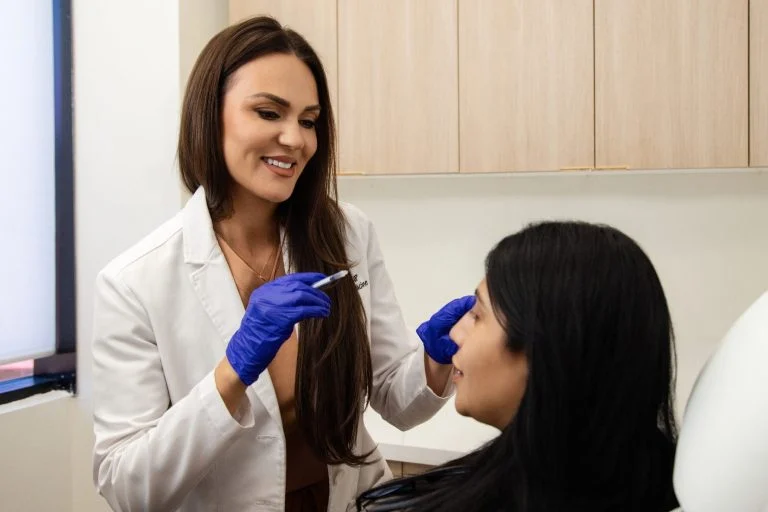
Skin renewal used to be discussed as a seasonal project. Patients would book resurfacing in late autumn, stay out of the sun for a few weeks, then reappear in winter with fresher texture and a brighter complexion. That approach still has merit, especially for aggressive resurfacing, but it no longer tells the whole story. Modern laser platforms have widened the conversation. With thoughtful settings, disciplined aftercare, and careful patient selection, skin maintenance can happen throughout the year rather than in one dramatic annual reset.
Among the systems that come up often in clinical practice, Fotona Laser Treatments stand out because they are versatile. That word gets overused in aesthetics, yet here it is appropriate. Fotona devices combine different wavelengths and treatment modes that can target surface texture, pigment irregularity, vascular concerns, acne, fine lines, deeper collagen remodeling, and even intraoral tightening approaches for the lower face. The result is not one single treatment identity, but a toolkit. That matters when the goal is year-round renewal rather than a single high-downtime event.
The real value of year-round planning is not that every patient needs frequent procedures. Most do not. The advantage is strategic pacing. Instead of asking skin to recover from one major intervention, clinicians can layer lower- to moderate-downtime treatments over months, adjusting intensity to season, lifestyle, and skin behavior. For someone with melasma tendencies, that may mean conservative non-ablative sessions paired with strict pigment control. For a patient bothered by roughness, enlarged pores, and early laxity, it may mean alternating collagen-stimulating treatments with occasional polishing sessions. Good outcomes come less from chasing intensity and more from matching the right laser mode to the right problem at the right time.
What makes Fotona different in practice
A great deal of confusion around laser treatments comes from the assumption that all lasers do roughly the same thing. They do not. The physics matter. Fotona platforms are known for combining erbium:YAG and Nd:YAG wavelengths in ways that allow a broad treatment range. In everyday clinical terms, erbium:YAG is often chosen when the target is more superficial, such as texture refinement, superficial resurfacing, and controlled removal of damaged outer layers. Nd:YAG can work deeper, supporting collagen stimulation, vascular work, acne protocols, and tightening strategies with less disruption to the epidermis.
That combination gives practitioners room to calibrate treatment according to season and skin goals. A patient heading into a beach holiday is not usually the candidate for strong ablative resurfacing. The same patient may still be a good candidate for a low-downtime collagen-focused session, assuming there is no tan, no photosensitizing medication issue, and aftercare compliance is realistic. This is where experience matters. The machine alone does not decide safety or outcome. Parameters, skin assessment, and judgment do.
In many clinics, Fotona Laser Treatments become part of a longer treatment map rather than a one-time event. A common pattern is to start with skin preparation, sometimes including barrier repair, topical pigment suppression if indicated, and realistic counseling. Then treatments are staged. A patient may begin with a gentle session to test response and downtime tolerance. Once the skin’s reactivity becomes clear, the practitioner can increase intensity or shift modalities. This often produces better adherence and fewer surprises than beginning with the most aggressive option available.
Why year-round renewal is a different goal from resurfacing
The phrase “skin renewal” sounds simple, but patients mean different things by it. One person wants smoother makeup application. Another wants fewer breakouts and less oil. Another wants the lower face to look less tired on video calls. If every concern is treated like a resurfacing problem, the plan can become too harsh, too expensive, or poorly timed.
Year-round renewal is usually about maintaining function and appearance together. That means supporting collagen, improving tone, refining pores, reducing low-grade congestion, and gradually softening lines without pushing the skin into long recovery cycles. In practical terms, the best year-round plans respect heat, humidity, travel, social schedules, and skin biology. Summer often calls for restraint. Cooler months allow more intensive correction. The goal is momentum, not maximum disruption.
This approach also suits patients who are new to lasers. Many first-timers are more comfortable with treatments that create progress without a week of obvious downtime. When they understand how their skin responds and see the cumulative benefits, they are more willing to consider stronger sessions later if needed. In that sense, year-round planning is not a compromise. It is often a smarter path for long-term improvement.
The most common concerns Fotona addresses well
Texture irregularity is one of the most satisfying treatment targets because small improvements are often visible under normal lighting, not just in magnified before-and-after photos. Patients notice that the skin feels smoother when cleansing, foundation sits more evenly, and pores look less shadowed. Erbium-based modes can be particularly helpful here because they allow controlled resurfacing with precision.
Acne and post-acne skin are another strong use case. Active acne is tricky because it is not purely a surface issue. Sebum production, inflammation, bacterial load, hormones, and barrier health all contribute. Certain Fotona protocols use thermal effects to reduce inflammation and support improvement in active breakouts while also addressing the textural aftermath over time. It is rarely an instant cure, and anyone who promises that is overselling. Still, in the right patient, the skin can become visibly calmer after a series.
Early laxity is where patient expectations need careful shaping. Lasers can improve firmness and stimulate collagen, but they do not replace surgery when tissue descent is significant. For mild to moderate laxity, especially around the jawline, perioral area, and under-eye region in select patients, Fotona Laser Treatments can produce a fresher, more supported look. The change tends to be gradual, which many patients prefer. Friends may say the person looks rested rather than treated.
Pigment concerns require nuance. Sun damage, post-inflammatory hyperpigmentation, and melasma are not interchangeable. Some pigmented lesions respond very well to laser strategies, but heat can also aggravate pigment-prone skin if the plan is too aggressive. This is one of the clearest examples of why year-round treatment must be individualized. A patient with freckles and sunspots may do beautifully with one approach, while a patient with unstable melasma may need a far gentler path or may even be better served by focusing on topical control and sun discipline before any device work.
Seasonal timing matters, but not in the old all-or-nothing way
There is still a reason many clinics book more resurfacing in autumn and winter. Lower incidental sun exposure reduces the risk of post-treatment pigmentation problems, and patients are often more willing to accept redness or peeling when they can cover with scarves, hats, and lighter social calendars. That part has not changed.
What has changed is the ability to keep treatments going through brighter months without being reckless. The key distinction is treatment intensity and patient behavior. Non-ablative or minimally ablative sessions can often be performed safely outside winter if the patient is not recently tanned, uses broad-spectrum sunscreen reliably, and understands the aftercare. This is especially useful for patients who break routine when treatment becomes seasonal. Long gaps can mean recurring congestion, loss of collagen-building momentum, and a sense that the skin keeps resetting backwards.
Summer planning requires honesty. If someone is about to spend two weeks sailing, golfing daily, or chasing children around a water park, even a relatively gentle laser may be poor timing. I have seen good treatments undermined by ordinary life rather than bad technique. A patient feels fine the next day, sits by a sunny window on a road trip, skips reapplication once, and returns with lingering redness or unexpected pigment. None of that is dramatic, but it is enough to influence outcome. This is why experienced practitioners ask very practical questions rather than only reviewing the consent form.
How treatment plans are usually built
A good laser consultation should feel more like problem solving than menu selection. The practitioner assesses skin type, tan status, barrier health, active conditions such as rosacea or acne, medication history, history of cold sores, scarring tendencies, and tolerance for downtime. They also ask what bothers the patient most, because the answer is often different from what a camera or mirror magnifies.
Someone may present asking for “overall rejuvenation,” but after ten https://alexiswnhh329.trexgame.net/what-sets-fotona-laser-treatments-apart-in-skin-rejuvenation minutes it becomes clear that the true frustration is lipstick bleeding into fine lines or persistent redness on the cheeks. These details matter because satisfaction depends on whether the most emotionally important issue improves. A technically successful treatment can still disappoint if it solves the wrong problem.
When I think about the strongest year-round plans, they usually share a few traits:
- They target one primary concern first, not six at once.
- They match treatment depth to the patient’s schedule and skin behavior.
- They include sun and pigment management as part of the plan, not an afterthought.
- They build in reassessment after each session.
- They leave room to change course if the skin reacts unpredictably.
That last point is underappreciated. Skin does not always read the treatment plan. Hormonal fluctuations, recent travel, a new retinoid, or a bout of dermatitis can alter the way a patient heals. Rigid protocols are less useful than responsive ones.
What treatment day actually feels like
Patients often arrive expecting either a spa facial or something close to surgery. Most laser appointments are neither. The practical experience depends on the mode being used. Some Fotona sessions feel like brief snaps of heat with a prickling sensation. Others, particularly resurfacing-oriented treatments, are more intense and require topical anesthetic, cooling, or breaks during the procedure. Treatment time can range from a quick focused appointment to a longer visit if multiple areas or modes are used.
Immediately afterward, the skin may look flushed, feel warm, or have a grid-like or bronzed appearance depending on the treatment style. With lighter non-ablative work, redness can settle within hours to a couple of days. More intensive resurfacing can involve several days of visible recovery, including tightness, roughness, and shedding of microscopic crusting. Patients who are prepared for that usually cope well. Patients who expected to “look normal by dinner” are the ones who panic.
The social recovery period often matters more than the medical one. A person who works from home may tolerate three days of redness without concern. A teacher, wedding photographer, or trial attorney may feel that even mild facial redness is highly disruptive. This is why the best treatment plan is not the most powerful one on paper. It is the one the patient can actually complete and repeat when needed.
Results are cumulative, and that is usually a good thing
One of the quieter strengths of Fotona Laser Treatments is that they fit cumulative care. Not every change appears at once. Texture can improve within days to weeks, but collagen remodeling takes longer. Patients often notice that their skin looks “less tired” before they can identify why. Then, over the next month or two, the face seems to catch light more evenly, pores soften, and fine lines around the mouth or eyes become less etched.
This gradual progression is especially valuable for patients who do not want abrupt changes. It also gives the practitioner feedback. If a patient responds beautifully to a modest setting, there may be no reason to escalate aggressively. If improvement plateaus, a different mode or deeper treatment can be introduced. Aesthetic medicine works best when it respects iteration.
There is also an economic reality to discuss. A staged series can be easier to budget for than one major intervention, but repeated maintenance does add up over a year. That is not a reason to avoid it. It is a reason to plan honestly. Some patients benefit more from two carefully timed sessions annually than from four mild treatments. Others with acne, redness, or active textural concerns may do best with an initial series followed by maintenance. The right frequency depends on the problem being treated, not on a generic package.
The trade-offs patients should understand before booking
Laser marketing tends to compress the complexity of skin into a few glossy promises. Real practice is more measured. Stronger treatments usually bring more visible change, but they also carry more downtime and greater pigmentation risk, especially in darker skin tones or recently sun-exposed skin. Gentler treatments can be safer year-round, but they may require more sessions and more patience.
Pain tolerance is another variable. Some patients breeze through heat-based treatments and barely flinch. Others feel every pulse. The same setting can be described as “totally fine” by one patient and “surprisingly sharp” by another. Good clinics adjust for this rather than pretending discomfort is imaginary.
Then there is the issue of expectation. Lasers can improve enlarged pores, but they cannot erase the fact that skin has pores. They can soften acne scars, but deep tethered scars may need combination treatment with subcision, fillers, or microneedling approaches. They can stimulate tightening, but they cannot recreate a surgical lift in a face with significant sagging. Patients do better when the language stays precise.
Who tends to be a strong candidate
The best candidates are not always the youngest or the most motivated. They are usually the people whose goals, schedules, and habits line up with what the treatment can realistically deliver. Fairly stable skin, no fresh tan, no uncontrolled inflammatory flare, and willingness to follow aftercare all improve the odds.
Patients with darker skin tones can absolutely be treated with lasers, but the choice of settings and timing becomes more important because pigmentary complications are a larger concern in some cases. This is where practitioner experience is essential. A conservative, well-chosen protocol can be very effective. A rushed, overly aggressive approach can create problems that take months to fade.
People with melasma deserve special caution. Heat-based procedures can be helpful in selected situations, but they can also trigger rebound pigmentation. Often the safest route begins with suppression strategies, barrier repair, and a long discussion about what “improvement” means versus “clearance.” That conversation can save a great deal of disappointment.
Aftercare is where many good treatments are either protected or wasted
Aftercare sounds boring until it goes wrong. Most post-laser issues I see patients struggle with are not dramatic burns or rare complications. They are preventable setbacks, things like irritant dermatitis from resuming active skincare too soon, pigment flare after casual sun exposure, or prolonged redness from over-cleansing and picking at rough skin.
The essentials are not glamorous, but they matter:
- Keep the skin cool, clean, and well moisturized with simple products.
- Avoid exfoliants, retinoids, and strong acids until the clinician says the barrier has recovered.
- Use broad-spectrum sunscreen diligently, and reapply when outdoors.
- Skip heat-heavy activities such as saunas, intense workouts, and very hot showers for the advised period.
- Do not pick, scrub, or force peeling skin to come off faster.
What surprises many patients is how often “too much help” creates irritation. They layer healing balms, vitamin C, peptide serums, growth factors, and a familiar retinoid because they want faster recovery. Instead, the skin gets angry. After laser work, simple usually wins.
Combining Fotona with other treatments
Another reason Fotona fits year-round planning is that it can be integrated with broader skin care strategies. Not on the same day in every case, and not without careful sequencing, but within a larger treatment arc. A patient may use prescription topicals, medical facials, injectables, or scar-focused procedures alongside laser care. The art lies in timing.
For example, someone managing acne scars may benefit from a combination approach that includes subcision for tethering, occasional resurfacing for texture, and maintenance sessions for collagen support. A patient concerned with laxity may combine energy-based tightening with neuromodulators or strategic filler, provided the sequencing is sensible. None of these combinations should be sold as automatic upgrades. They should be chosen because they solve a real limitation of the single treatment.
This is one place where experienced clinicians often differ from aggressive marketers. They know when not to stack. Irritated skin does not need another procedure. A patient preparing for travel does not need a bold experiment. A person with strong improvement from one modality does not always need a second. Restraint is part of expertise.
The case for steady renewal over dramatic intervention
There is still a place for a more intensive resurfacing session when the indication is right and the patient can recover properly. Deep etched lines, significant photodamage, and certain scar patterns may justify a stronger push. But many people do not need that level of intervention to look noticeably better. They need consistency, measured correction, and a treatment plan that can survive real life.
That is where Fotona Laser Treatments often earn their reputation. They can be adapted. They can be gentle when the season or schedule demands caution, and more assertive when the skin and timing allow it. They are not magic, and they are not interchangeable with every other device in the market. Used well, though, they give practitioners room to treat the skin as a living organ that changes with weather, hormones, age, habits, and time.
For patients, that flexibility often translates into something more valuable than a single dramatic reveal. It means the skin can keep moving in the right direction. Texture gets smoother. Tone becomes more even. Collagen support continues quietly in the background. The face still looks like the person, just less dulled by congestion, roughness, and cumulative sun damage.
Year-round renewal is less flashy than the old peel-and-hide model. It is also more realistic for many modern lives. When treatment selection is careful and expectations are grounded, it offers a practical, sophisticated way to care for skin over the long term. That is the promise worth paying attention to, not instant perfection, but steady improvement that holds up in daylight, across seasons, and in the ordinary mirror moments that matter most.
OMNIA Wellness Center
Address: 16430 Ventura Blvd Ste 207, Encino, CA 91436
Phone number: +18183868511
FAQ About Fotona Laser Treatments
What is a Fotona laser good for?
A Fotona Laser system is a versatile, dual-wavelength medical laser used primarily for non-surgical skin tightening, anti-aging rejuvenation, and dermatological treatments.
How much does the Fotona laser cost?
The cost of a Fotona laser depends heavily on whether you are looking to purchase a laser machine for a medical practice or are a patient seeking a laser treatment at a medspa.
Is a Fotona laser worth it?
A Fotona laser treatment is generally worth it if you want non-surgical skin tightening, improved texture, and collagen stimulation with very little downtime.