Fotona Laser Treatments Explained: A Beginner’s Guide
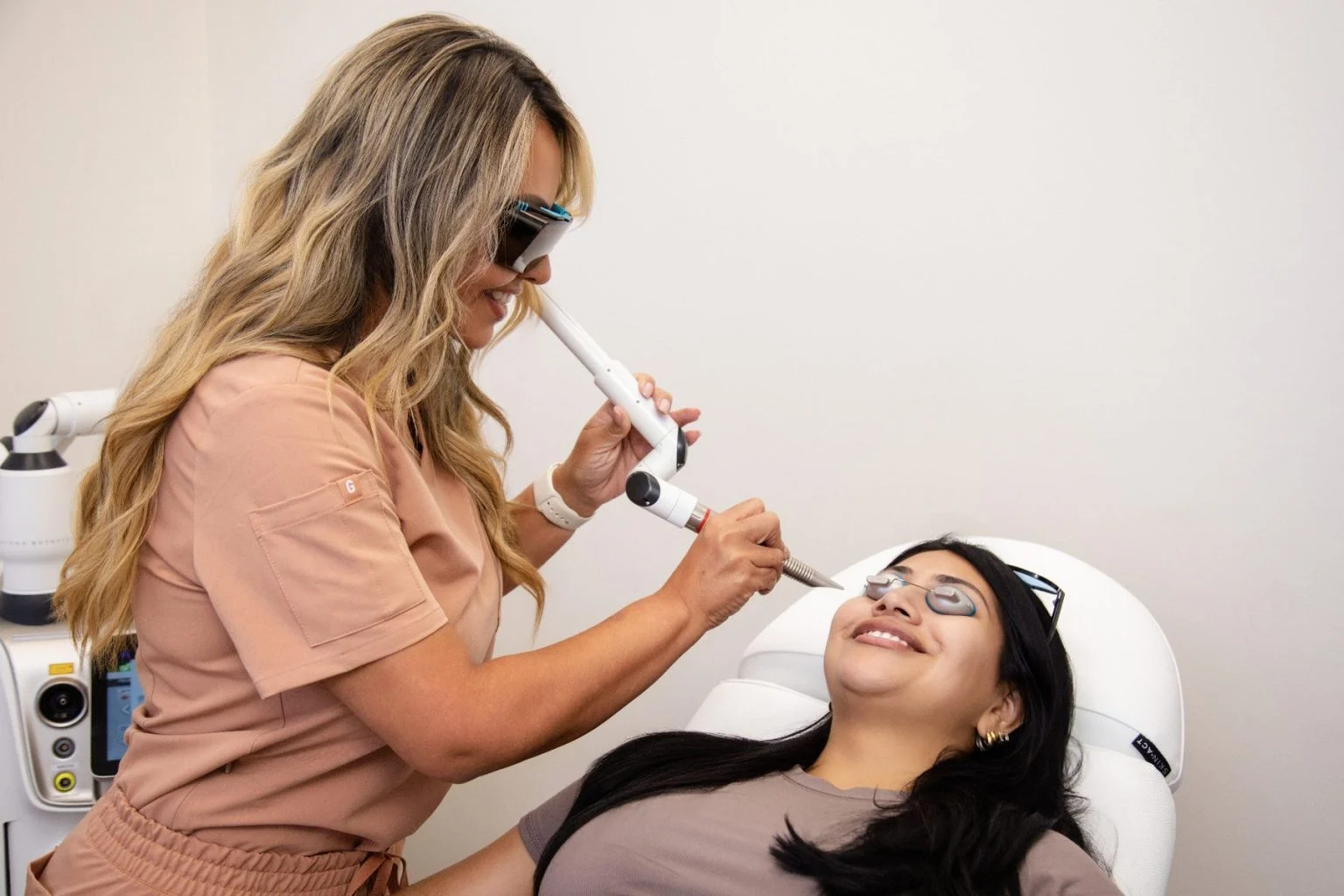
If you have been researching aesthetic procedures for the first time, chances are you have seen the name Fotona come up again and again. That is not an accident. Fotona is one of the better-known laser platforms used in medical aesthetics, and for good reason. It is versatile, well established, and capable of handling several very different concerns with the same core technology.
That versatility is also what makes the category confusing for beginners. Someone might say they had a “Fotona treatment” and mean skin tightening. Another person might mean acne scar resurfacing. A third might be talking about a gynecologic procedure, treatment for snoring, or hair reduction. The brand name stays the same, but the treatment goals, recovery, and sensation can be completely different.
A better way to think about Fotona Laser Treatments is this: Fotona is the platform, and the actual procedure depends on which laser wavelength is used, how deep the energy is delivered, what settings are chosen, and what tissue the practitioner is targeting. Once you understand that framework, the whole topic starts to make sense.
What Fotona actually refers to
Fotona is a manufacturer of medical laser systems. In aesthetic and medical practices, the most commonly discussed Fotona systems use two laser wavelengths: Er:YAG and Nd:YAG.
The Er:YAG laser operates at 2940 nm. It is highly absorbed by water in the skin, which makes it useful for precise resurfacing, polishing texture, treating superficial pigmentation in select cases, and improving acne scars or fine lines. Because water is such a major target, this laser can remove or heat very controlled layers of tissue.
The Nd:YAG laser operates at 1064 nm. It penetrates more deeply and is often used when the goal is to heat deeper structures, stimulate collagen remodeling, treat certain vascular concerns, tighten tissue, or target hair follicles. It is not the same kind of treatment experience as a classic aggressive resurfacing laser, even though patients may hear both described under the same brand umbrella.
Some Fotona protocols combine both wavelengths in the same session. This is part of the appeal. A practitioner can treat surface texture and deeper support structures in a coordinated way instead of relying on a single mechanism.
That flexibility is valuable, but it also means you should never book a procedure based only on the brand name. The better question is: which Fotona protocol is being recommended for my specific concern, and what should I realistically expect from it?
Why people seek out Fotona Laser Treatments
In practice, the reasons are usually practical rather than trendy. Patients are not looking for a laser because it sounds sophisticated. They are looking for a fix, or at least a meaningful improvement, in something that bothers them every day.
A woman in her late thirties may want a fresher lower eyelid area without taking downtime for surgery. A man who dealt with acne in college may be more concerned with scar texture than with wrinkles. Someone in their fifties may feel their skin has become loose and tired, but they are not ready for a facelift. Another patient may be bothered by facial veins, redness, or persistent sun damage. The laser is a tool, not the goal.
Fotona platforms are popular because they can often address this middle ground well. They can do more than a superficial facial, yet may involve less downtime and less commitment than a surgical procedure. That does not mean they replace surgery, injectables, or other energy devices in every case. They do mean there is a broad treatment category between skin care and the operating room.
The treatments most beginners hear about first
If you browse clinic websites, you will see branded names attached to Fotona protocols. The names vary a bit by region and practice, but a few concepts show up repeatedly.
The first is skin resurfacing. This usually involves the Er:YAG wavelength and is aimed at improving texture, fine lines, acne scars, enlarged pores, and overall skin quality. Depending on the settings, it can range from a light refresh to a more serious resurfacing treatment with several days of visible healing.
The second is skin tightening. This often uses Nd:YAG energy, sometimes along with intraoral treatment, meaning the laser is applied inside the mouth to heat tissue and stimulate collagen from another angle. Patients often like this because they are hoping for a firmer jawline, softer nasolabial folds, or better cheek support without fillers or surgery. Results tend to be gradual rather than dramatic.
The third is combined rejuvenation. A clinic may use a sequence of steps that target deeper collagen, vascularity, pigment irregularity, and superficial texture in one plan. This is often marketed as a full-face rejuvenation treatment rather than a single-issue fix.
There are also non-facial uses. Fotona systems may be used for hair reduction, certain vascular lesions, nail fungus in some settings, snoring-related procedures, and intimate health treatments. Those are very different treatment categories with different evidence levels, maintenance needs, and candidacy rules, so they should not be lumped together casually.
How the laser interacts with skin
Most patients do better when they understand the basic mechanism. Laser energy is not magic. It is controlled heat, and sometimes controlled ablation, delivered to specific targets in tissue.
With Er:YAG treatments, the target is primarily water. Since skin contains a lot of water, the laser can remove very thin layers of tissue with high precision. This is why it is often used for resurfacing. The skin then heals by replacing damaged tissue and reorganizing collagen. That healing phase is where smoother texture and better tone come from.
With Nd:YAG treatments, the energy reaches deeper and creates thermal effects beneath the surface. Rather than peeling the skin away, the aim is often to heat dermal structures enough to trigger remodeling over time. That makes it more suitable for tightening and for some vascular or follicular targets.
One practical detail many patients miss is that the visible endpoint during treatment does not always predict the eventual result. Some Fotona treatments look dramatic right away because the skin is red and slightly swollen. Others look subtle on day one and improve over several weeks as collagen changes unfold. This is one reason expectations need to be set before treatment, not after.
What treatment feels like
There is no single answer because a light non-ablative session feels very different from a resurfacing treatment.
For milder tightening sessions, patients often describe a repeated snapping or warming sensation. It can be uncomfortable around bony areas such as the jawline or forehead, but many tolerate it with topical numbing or cooling. Some deeper protocols create a distinct build-up of heat, which is expected and usually brief.
For Er:YAG resurfacing, the sensation can be sharper. Topical numbing is common, and some practices use additional comfort measures depending on how aggressive the treatment will be. The skin may feel sunburned afterward, tight, and quite warm for the first day.
The area being treated matters too. Around the mouth and eyes, people tend to be more sensitive. Inside-the-mouth tightening protocols can sound strange to first-timers, but many patients tolerate them better than expected because the treatment is quick.
When people ask, “Does Fotona hurt?” the honest answer is that some versions are easy, some are moderately uncomfortable, and a few are significant enough that planning ahead matters. The brand name alone does not answer the question.
Downtime is where confusion usually starts
One of the most common problems in consultations is the word “downtime.” Patients hear “minimal downtime” and imagine they will be ready for a dinner event the same evening. Clinics may mean you can function normally, not that you will look untouched.
A light tightening session might leave you pink for a few hours to a day. Makeup may be possible the next day, depending on the settings and the area. A more involved resurfacing treatment can mean several days of redness, rough texture, swelling, and visible peeling. With stronger settings, some redness may linger beyond the initial healing period.
This is where good counseling matters. Someone treating mild laxity before a wedding has different needs from someone tackling long-standing acne scars in winter. The best providers adjust the protocol not only to the skin concern, but also to the patient’s tolerance for looking “done” while healing.
In https://charlielaue179.theglensecret.com/can-fotona-laser-treatments-help-with-rosacea-and-redness real clinic life, patients are often less bothered by temporary redness than by under-treatment. They do not want to pay for a procedure that leaves them with almost no visible interruption and almost no meaningful change. On the other hand, a person with darker skin tone, a history of post-inflammatory hyperpigmentation, or a tendency toward prolonged redness may need a more conservative plan. Skill lies in that judgment.
What kinds of results are realistic
Fotona Laser Treatments can produce very satisfying improvements, but they are rarely instant miracle procedures.
For texture and glow, some people see noticeable change within a week or two, especially after light resurfacing. For acne scars or etched lines, improvement usually requires a series, and the change tends to build gradually. Deep scars rarely disappear completely. What often happens instead is that the edges soften, the shadows look less obvious, and the skin reflects light more evenly. That can make a face look much smoother even when scars are still technically present.
For tightening, the timeline is usually longer. Early improvement may come from mild swelling or temporary tissue contraction, but collagen remodeling takes time. Patients commonly assess their real result over one to three months, sometimes longer. A good result in this category often means the skin looks firmer and less crepey, not that sagging has been erased.
For pigmentation and redness, outcomes depend heavily on diagnosis. Not every brown spot is treated the same way, and not every red face is a laser case. Melasma, for example, can behave unpredictably with heat-based treatments and often requires caution. This is where many disappointing outcomes begin, not because the laser failed, but because the problem was not correctly identified in the first place.
Who tends to be a good candidate
The right candidate is not simply someone who wants better skin. It is someone whose goals match what the device can actually do.
Mild to moderate photoaging is often a good fit. Early laxity, rough texture, enlarged pores, dullness, superficial lines, and selected acne scars may respond well. Patients who want visible improvement without surgery often do well if they accept that results will be incremental.
Skin type matters. Many Fotona protocols can be adapted for a range of skin tones, but higher-risk pigmentary profiles require more care. The safest and smartest plan may be slower, gentler, and more staged than what a lighter-skinned patient receives.
Medical history matters too. Recent isotretinoin use, active infections, poor wound healing, a tendency to form keloids, uncontrolled inflammatory skin disease, or pregnancy may affect timing or candidacy depending on the treatment. A proper consultation should cover this in detail.
Expectation style matters more than people realize. Someone who says, “I want to look fresher and smoother, and I understand I may need maintenance,” is often easier to satisfy than someone who says, “I want one treatment to replace a facelift.”
Where the treatment fits among other options
A frequent source of confusion is the assumption that all energy devices do the same job. They do not.
Microneedling radiofrequency, fractional CO2, IPL, non-ablative fractional lasers, ultrasound tightening, and Fotona protocols all have overlapping but distinct strengths. A patient with active redness and visible capillaries might be better served by a vascular-focused device. Someone with severe lower-face heaviness may need surgery for a truly transformative result. A person with shallow acne scars and texture irregularity may do beautifully with resurfacing.
Fotona often earns its place because it can bridge categories. It can improve quality, texture, and some degree of firmness with a single platform. Still, it is not automatically the best answer for every concern. Good practices sometimes recommend against using it, and that is usually a sign of honesty rather than weakness.
Safety depends more on the operator than the logo
This point is worth stressing. A reputable laser in inexperienced hands is still a risk.
The provider needs to understand skin anatomy, laser-tissue interaction, treatment parameters, wound healing, and pigment risk. They also need the judgment to say no when a patient is poorly suited, over-tanned, under-informed, or expecting the wrong kind of result.
Complications can include burns, prolonged redness, swelling, blistering, post-inflammatory hyperpigmentation, acne flares, herpes simplex reactivation around the mouth, textural changes, or underwhelming results. Most of these risks are uncommon when patients are chosen carefully and aftercare is followed, but they are real enough to discuss upfront.
A thoughtful consultation usually feels specific rather than salesy. The practitioner looks closely at your skin in good light, asks about your history, reviews your products and medications, and explains why a certain protocol is being recommended over another. If the conversation sounds vague, that is a warning sign.
Aftercare makes more difference than many patients expect
Healing skin is vulnerable skin. The treatment itself may take twenty minutes, but the result is heavily influenced by what happens over the next several days.
For resurfacing treatments, gentle cleansing, bland moisturization, sun avoidance, and strict photoprotection are non-negotiable. Harsh active products usually need to pause for a period. Picking at peeling skin is one of the fastest ways to turn an ordinary recovery into prolonged redness or pigmentation trouble.
For non-ablative tightening treatments, aftercare is simpler, but sun care still matters. Heat exposure, intense exercise, and irritating products may be restricted briefly depending on the protocol.
If there is one practical reality I wish more first-time patients understood, it is this: the laser session is only half the job. The rest is giving the skin a calm environment in which to heal properly.
Questions worth asking before you book
Before committing to Fotona Laser Treatments, keep the discussion grounded in specifics. These questions usually separate a polished consultation from a superficial one.
- Which Fotona protocol are you recommending for my concern, and why this one?
- How many sessions do patients like me typically need to see meaningful change?
- What will I likely look like on day one, day three, and day seven?
- What is the main risk in my skin type or medical history?
- If this does not meet my goal, what would the next best option be?
A confident, experienced provider should be able to answer these without slipping into generalities.
Cost, maintenance, and the long game
Pricing varies widely by geography, provider expertise, treatment area, and intensity. A lighter session may cost a few hundred dollars, while a more involved full-face resurfacing treatment can run much higher. Some practices package a series, which often makes sense because many treatment plans are designed that way.
Maintenance is another point people underestimate. If the treatment is targeting collagen and texture, aging does not stop after the final session. Sun exposure, smoking, hormonal shifts, weight changes, and genetics continue to shape the skin. That does not mean the treatment was temporary in a useless way. It means the skin is living tissue, not a one-time renovation project.
In practical terms, many patients do an initial series and then return periodically for maintenance. The exact interval depends on the concern and the aggressiveness of the original treatment. Someone treating acne scars may finish a corrective series and then come back only occasionally. Someone focused on skin quality and firmness may prefer regular upkeep.
Common misunderstandings beginners bring to consultations
A few misconceptions show up repeatedly.
The first is that “laser” means one standard experience. In truth, a light tightening session and an ablative resurfacing treatment can differ as much as a lunchtime peel differs from a deep chemical peel.
The second is that more aggressive always means better. Stronger settings can drive stronger results in the right patient, but they also raise the stakes for recovery and pigment complications. Sometimes a staged approach produces a better final outcome with fewer setbacks.
The third is that if redness or peeling is minimal, the treatment did nothing. This is not always true. Some protocols are designed to work deeper with little surface disruption. Others absolutely should create visible healing if the goal is resurfacing. The key is whether the expected response matches the chosen protocol.
The fourth is that one device can fix every layer of aging. It cannot. Volume loss, muscle movement, skin laxity, bone resorption, pigment, and texture are separate issues. A laser may help several of them, but not all to the same degree.
A sensible way to decide
If you are considering Fotona Laser Treatments, focus less on the marketing label and more on the treatment logic. Ask what problem is being treated, which wavelength is being used, how aggressive the settings are, what recovery looks like in real life, and how success will be judged.
When the match is right, Fotona can be an excellent option. It is especially appealing for people who want measurable skin improvement, appreciate a non-surgical path, and are willing to commit to a realistic treatment plan rather than chase a fantasy of instant perfection.
The patients happiest with these treatments are usually not the ones who expect magic. They are the ones who understand what the device does well, choose a skilled operator, and give the process time to work. That is a far better recipe for a good result than any brand name on its own.
OMNIA Wellness Center
Address: 16430 Ventura Blvd Ste 207, Encino, CA 91436
Phone number: +18183868511
FAQ About Fotona Laser Treatments
What is a Fotona laser good for?
A Fotona Laser system is a versatile, dual-wavelength medical laser used primarily for non-surgical skin tightening, anti-aging rejuvenation, and dermatological treatments.
How much does the Fotona laser cost?
The cost of a Fotona laser depends heavily on whether you are looking to purchase a laser machine for a medical practice or are a patient seeking a laser treatment at a medspa.
Is a Fotona laser worth it?
A Fotona laser treatment is generally worth it if you want non-surgical skin tightening, improved texture, and collagen stimulation with very little downtime.